Do US Citizens Living Abroad Pay State Taxes? 2026 State-by-State Guide
Some states continue taxing expats. Learn which states have residency-based taxation, how to break state residency, and avoid double taxation.
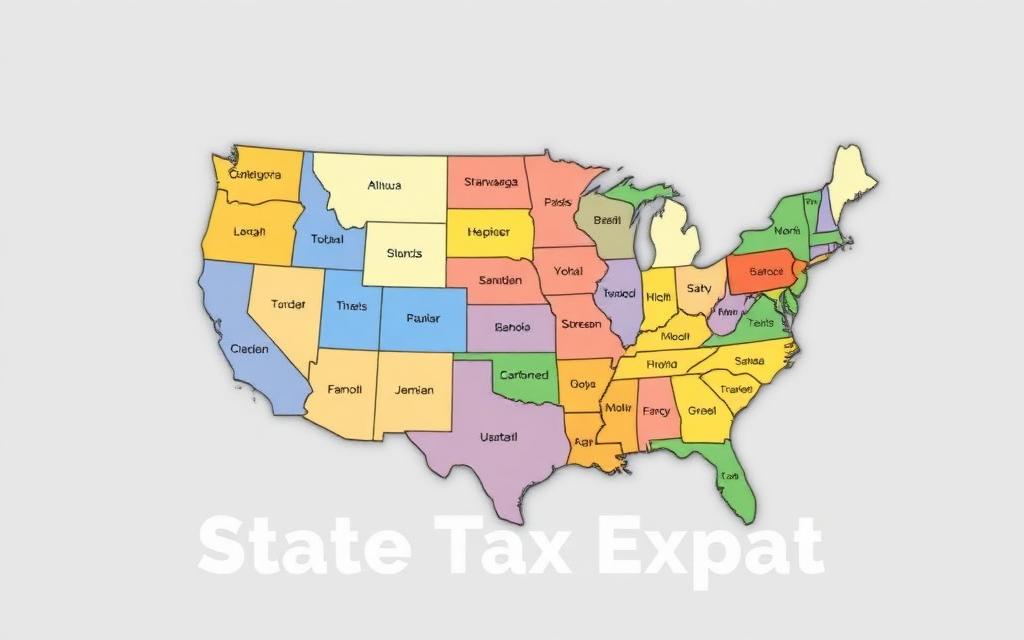
Federal taxes get all the attention, but state taxes can be an unexpected burden for Americans abroad. Depending on which state you left, you might still owe state income taxes years after moving overseas. Here's how to navigate this tricky area.
The State Tax Surprise
Unlike the federal FEIE, which excludes foreign income from taxation, most states offer no equivalent benefit. If a state considers you a resident, they'll tax your worldwide income—including money you earned abroad and already excluded from federal taxes.
⚠️ Reality Check: You could owe $0 in federal taxes thanks to the FEIE, but still owe thousands in state taxes. This catches many expats off guard.
States With No Income Tax
The cleanest situation is if you moved abroad from one of these states:
- Alaska
- Florida
- Nevada
- New Hampshire (dividends/interest only)
- South Dakota
- Tennessee
- Texas
- Washington
- Wyoming
If you established residency in one of these states before leaving the U.S., you have no state income tax concerns.
State Residency: How It Works
Each state has its own rules for determining residency. Common factors include:
Domicile Factors
- Where you vote
- Where your driver's license is from
- Where your vehicles are registered
- Where you own property
- Where your bank accounts are based
- Your stated intent
Physical Presence
Some states use day counts—if you spend more than X days in the state, you're considered a resident.
High-Risk States for Expats
| State | Risk Level | Why |
|---|---|---|
| California | 🔴 High | Aggressive residency presumption; "safe harbor" requires 546 days out |
| New York | 🔴 High | Strict rules; audits former residents |
| New Jersey | 🟡 Medium | Taxes residents on worldwide income |
| Virginia | 🟡 Medium | Intent-based; may claim you |
| South Carolina | 🟡 Medium | Strong residency ties required to leave |
| New Mexico | 🟡 Medium | Taxes residents on worldwide income |
California: The Toughest State
California deserves special attention because it's the most aggressive at claiming former residents:
California's Presumptions
- If you were a CA resident, you're presumed to remain one until you establish domicile elsewhere
- Simply living abroad doesn't change your domicile
- CA's Franchise Tax Board actively audits departed residents
California's Safe Harbor
To clearly break residency, you must be:
- Outside California for at least 546 consecutive days
- Inside California for no more than 45 days during that period
Even then, other factors may keep you as a "resident" for tax purposes.
How to Properly Leave a State
- Change your driver's license to another state or surrender it
- Update your voter registration to another state or deregister
- Change vehicle registration
- Close or move bank accounts
- Sell or rent out property (with no personal use reserved)
- Update mailing address with IRS (Form 8822)
- File a part-year resident return in your departure year
- Document your intent to establish domicile elsewhere
The "Move to Texas" Strategy
Many expats establish residency in a no-income-tax state before moving abroad:
- Move to Texas/Florida/Nevada before your international move
- Get a driver's license, register to vote, open bank accounts
- Spend enough time to establish genuine residency
- Then move abroad from that state
💡 Pro Tip: This strategy works best if done genuinely. Simply getting a Texas driver's license while still living in California won't fool the FTB. You need real ties and time in your new state.
State Tax Returns From Abroad
If your former state still considers you a resident:
- You must file a state return
- You'll report the same income as your federal return (before FEIE)
- Some states offer credits for taxes paid to foreign governments
- Some states have their own "foreign income" provisions (rare)
What If You're Audited?
State residency audits focus on:
- Where you actually spent your time
- Where your strongest ties are
- Your intent (statements, actions)
- Credit card/cell phone records showing location
Keep detailed records proving your foreign residence and your intent to leave your former state.
State-Specific FEIE Rules
A handful of states have their own foreign income exclusions or modifications:
- Some states piggyback on federal FEIE (your excluded income is also excluded from state tax)
- Other states start with federal AGI before the FEIE adjustment (you're taxed on the full amount)
Check your specific state's treatment of Form 2555 adjustments.
📌 Bottom Line
State taxes are often the forgotten piece of expat tax planning. Before you move abroad, understand your state's residency rules and take steps to cleanly sever ties. If you're already abroad and still tied to a high-tax state, consult with a tax professional about your options. The state tax bill can be significant if ignored.
Frequently Asked Questions
Jack Squire
jacksquire.comFounder of FEIE Tracker, SEO strategist, and recovering digital nomad. After visiting 45+ countries and navigating FEIE compliance firsthand, I built this tool to help fellow expats track their days abroad without the spreadsheet headaches.
Disclaimer: This article is for informational purposes only and does not constitute tax advice. Tax laws are complex and change frequently. Always consult a qualified tax professional for advice specific to your situation.