The 330-Day Rule Explained: How to Count Your Days Abroad Correctly
Master the physical presence test with our detailed breakdown of day-counting rules, travel days, and common mistakes that cost expats thousands.
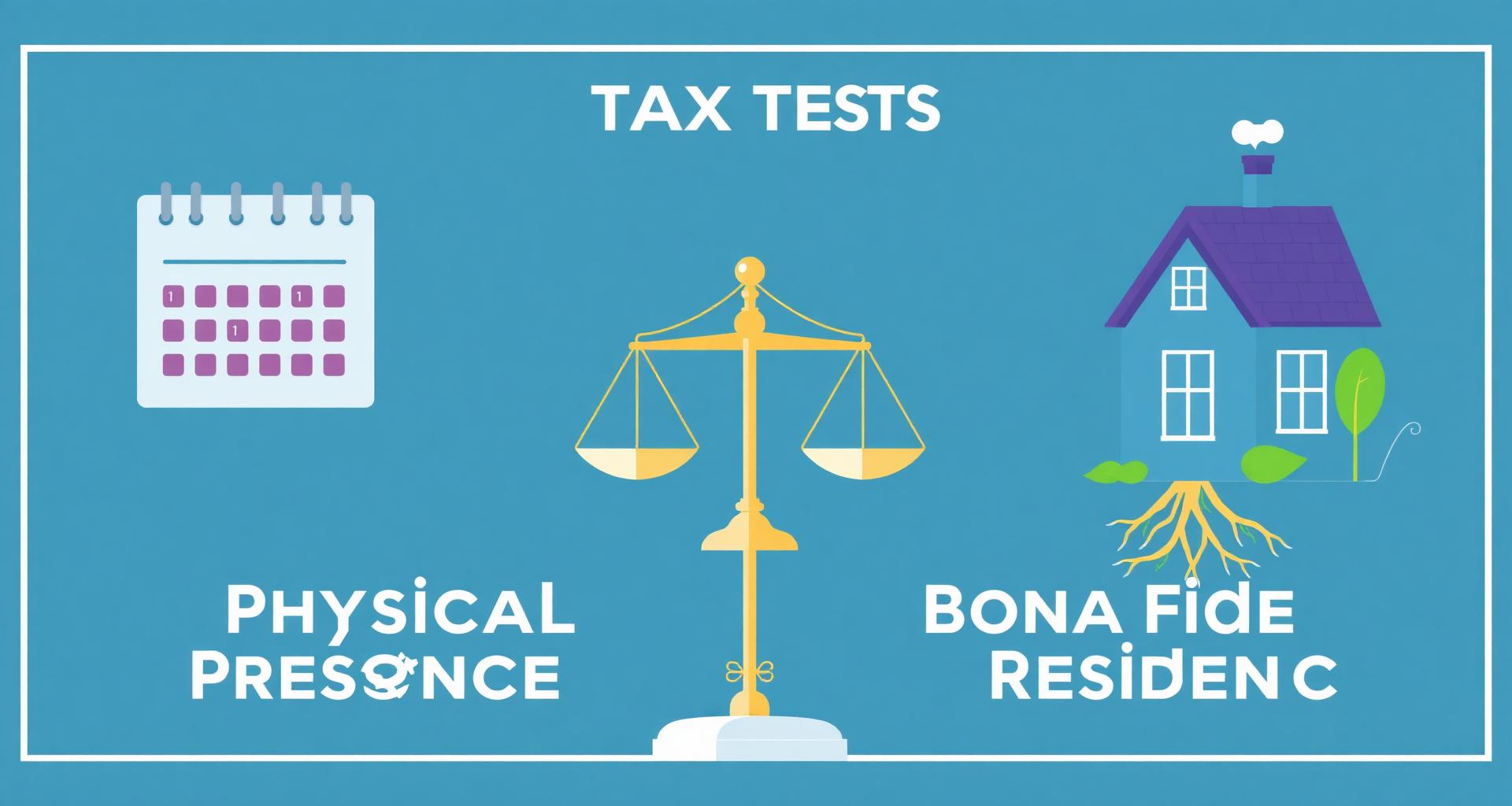
The 330-day rule is the heart of the Physical Presence Test for FEIE qualification. Get the count right, and you could exclude over $130,000 from taxes. Get it wrong, and you might owe thousands to the IRS.
This guide explains exactly how to count your days abroad—including the tricky edge cases that trip up even experienced expats.
The Basic Rule: 330 Days in 12 Months
To pass the Physical Presence Test, you must be physically present in a foreign country for at least 330 full days during a 12-consecutive-month period. This period can begin on any day of the year.
💡 Key Insight: "Full day" means a complete 24-hour period, midnight to midnight, based on your location. Partial days don't count.
What Counts as a "Full Day"
✅ Days That COUNT
- Full 24-hour periods spent in any foreign country
- Travel days between two foreign countries
- Days spent in multiple foreign countries (as long as you don't enter the U.S.)
❌ Days That DON'T Count
- The day you leave the U.S. (you started in the U.S.)
- The day you return to the U.S. (you ended in the U.S.)
- Any full or partial day in the U.S.
- Days in international waters or airspace (unless traveling between foreign ports)
The Travel Day Trap
One of the most common mistakes is miscounting travel days. Here's how it works:
Example: Flying from Thailand to the U.S.
You leave Bangkok on March 15 at 10 PM. After a 20-hour journey, you arrive in Los Angeles on March 16 at 6 PM (local time).
- March 15: ✅ COUNTS (full day started in Thailand)
- March 16: ❌ DOES NOT count (you arrived in the U.S.)
Example: Flying from the U.S. to Germany
You leave New York on April 1 at 8 PM. You arrive in Frankfurt on April 2 at 9 AM (local time).
- April 1: ❌ DOES NOT count (you were in the U.S.)
- April 2: ✅ COUNTS (arrived before midnight in Germany)
Choosing Your 12-Month Period
The IRS allows flexibility in selecting your qualifying period. You don't have to use the calendar year—you can choose any 12-month period that maximizes your qualifying days.
Strategic Example
Suppose you moved abroad on March 15, 2026. You could choose:
- March 15, 2026 – March 14, 2027 (12 months from your move date)
- January 1, 2026 – December 31, 2026 (calendar year—but you'd only have 290 possible days)
The first option gives you the best chance of hitting 330 days.
Common Counting Mistakes to Avoid
1. Miscounting Airport Time
If you're in a U.S. airport—even in the international terminal—you're in the U.S. A layover in JFK counts as U.S. time.
2. Forgetting About Brief U.S. Stops
A 2-hour stopover in the U.S. means that entire day doesn't count as a foreign day. Plan your layovers wisely.
3. Not Tracking Days in Real-Time
Trying to reconstruct your travel history at tax time leads to errors. Track daily using a tool designed for this purpose.
4. Miscounting Time Zones
The day is determined by where you are, not your home time zone. Crossing the International Date Line can be confusing—track carefully.
What Happens If You Fall Short?
If you only have 320 days, you don't qualify under the Physical Presence Test. But you have options:
- Shift your 12-month period to capture more foreign days
- Try the Bona Fide Residence Test instead (if you qualify)
- Claim a partial exclusion for the portion of the year you do qualify
Pro Tips for Maximizing Your Days
- Plan U.S. visits strategically—cluster them together to preserve long foreign stretches
- Use direct flights when returning abroad to avoid U.S. layovers
- Track in real-time—don't rely on memory
- Keep documentation: passport stamps, boarding passes, hotel receipts
- Know your deadline: once you've used 35 U.S. days, no more visits!
🔧 Automate Your Day Tracking
Counting days manually is tedious and error-prone. Modern expats use dedicated tracking tools that automatically count your days, alert you to U.S. visit limits, and generate documentation for tax filing.
Frequently Asked Questions
Jack Squire
jacksquire.comFounder of FEIE Tracker, SEO strategist, and recovering digital nomad. After visiting 45+ countries and navigating FEIE compliance firsthand, I built this tool to help fellow expats track their days abroad without the spreadsheet headaches.
Disclaimer: This article is for informational purposes only and does not constitute tax advice. Tax laws are complex and change frequently. Always consult a qualified tax professional for advice specific to your situation.